

Enhancing Your Vehicle: The Multifaceted Benefits of Window Tinting
December 19, 2025
Slice of the Economy NYT: Meaning, Context, Examples, and Why It Matters
December 22, 2025
Key Takeaways
- Understand the extra costs unique to owning a coastal property, including specialized insurance and added maintenance.
- Invest in detailed property inspections to uncover issues like corrosion and mold early.
- Become familiar with zoning laws and environmental protections that impact your property rights.
- Prioritize homes built to withstand storms and coastal changes for long-term peace of mind.
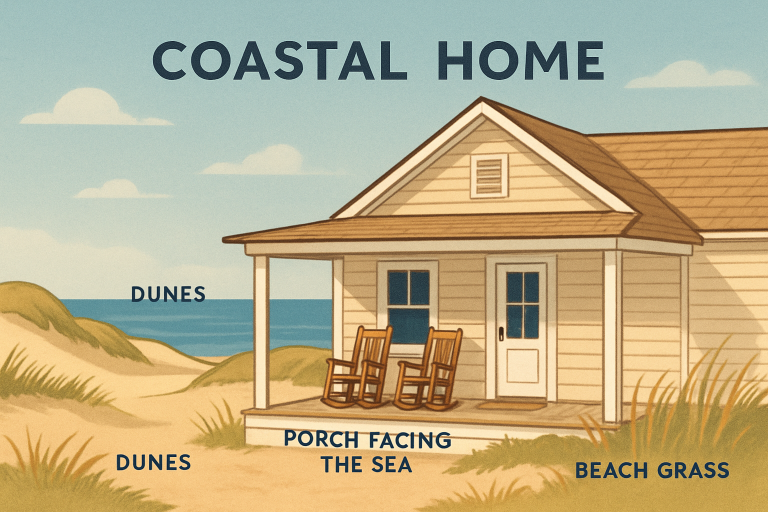
Owning a coastal property is a coveted dream, often conjuring images of tranquil mornings by the sea and breezy afternoons on the porch. As picturesque as coastal living appears, there are practical considerations every prospective buyer should weigh. Whether you’re seeking a seasonal escape or a year-round residence, partnering with a local expert such as Bar Harbor, ME, real estate expert Steven Shelton can help clarify the process, ensuring you secure not just a home but a smart investment. The path to coastal ownership offers rewards—and responsibilities—that are unique from other kinds of real estate.
Selecting the perfect property means more than loving the view. From financial planning to understanding local regulations, every detail matters. Buying in a coastal region introduces specific challenges tied to weather, environment, and community. Failing to consider these elements can lead to unexpected costs and complications down the line, making it vital for buyers to arm themselves with thorough knowledge before making any decisions.
From determining your budget to evaluating community amenities, it’s vital to go beyond aesthetics. Working with a local professional ensures you don’t overlook details that could affect your home’s safety, value, or future resale. Protecting your investment means diving into everything from shoreline trends to neighborhood sustainability plans, not just the house itself.
Budgeting for a Coastal Home
Financial planning is the cornerstone of a successful coastal property purchase. Beyond the listing price, budget for higher insurance premiums—often required to cover risks such as flooding, erosion, and storm damage. Flood insurance, in particular, can be a necessity even in locations thought to be less vulnerable. Additionally, anticipate higher ongoing maintenance costs because salt air and humidity accelerate the deterioration of materials, especially metal fixtures, roofing, and exterior paint. Homeowners should set aside extra funds each year for these inevitable repairs and upkeep.
Conducting Thorough Inspections
Unlike inland homes, coastal properties regularly confront harsh weather, salt spray, and moisture, which significantly impact a building’s structural integrity. When inspecting potential homes, hire inspectors who have demonstrable experience with oceanfront or shoreline properties. They’ll check for corrosion on plumbing and electrical systems, unseen mold in crawl spaces, compromised foundations, and worn-out weatherproofing. Early detection can help prevent future surprises, potentially saving thousands in repairs and giving you leverage in negotiations.
Understanding Zoning and Environmental Regulations
Coastal real estate is often governed by stringent regulations designed to preserve natural ecosystems, view corridors, and heritage land. These restrictions can influence how you use your property, build additions, or even renovate existing structures. Make it a priority to review local zoning maps, consult with city or county planning offices, and, when necessary, hire land-use attorneys. This proactive step will protect you from inadvertently violating laws that can delay or derail your plans.
Evaluating Property Resilience
Given the growing intensity of coastal storms and rising sea levels, a resilient home is a must. Prioritize properties designed for disaster resistance, such as those with impact-resistant windows, reinforced concrete pilings, and hurricane shutters. Elevation is another key consideration: Homes built on raised platforms or hillsides are less susceptible to flooding. Investigate drainage systems and review FEMA flood zone maps so you understand precisely what nature might throw at your investment—and how well the property is prepared.
Considering Erosion and Land Stability
Erosion can change a coastline—and your yard—overnight. Review historical data on shoreline retreat or accretion in the area’s records, and ask neighbors about their experiences. In some cases, an engineering assessment is worthwhile to determine how stable the land beneath and around your prospective home is. Some buyers also consult environmental scientists or geologists for peace of mind. This extra legwork serves as an insurance policy, protecting your investment from sudden changes in Mother Nature’s plans.
Assessing Community and Amenities
The wider coastal community will shape your living experience as much as the home itself. Evaluate proximity to essentials such as grocery stores, healthcare facilities, and emergency services—especially important in remote or semi-rural regions. Also, think about extracurricular amenities: Are there parks, trails, or marinas? What about local organizations and neighborhood events? These factors can bolster property values and enrich your quality of life. Coastal communities can be tightly knit, so get to know the vibe before committing.
Planning for Long-Term Sustainability
Climate change and evolving environmental policies are pushing coastal communities to rethink infrastructure, resilience, and sustainability. Ask about the area’s plans for seawall maintenance, emergency evacuation routes, and green initiatives. Some regions offer tax incentives or grants for flood mitigation measures or eco-friendly renovations. Incorporating these priorities into your purchasing criteria ensures your home remains not just desirable but marketable for years to come.
Taking the time to assess each element of the coastal homeownership portfolio thoroughly. By working with seasoned local professionals and leveraging information from major industry resources, you can confidently select a seaside property that rewards you long into the future.
- The Regenerative Waterfront: Homes That Heal Their Own Ecosystems
- Doug Stevenson: Benefits of a National Home Builder Association Membership
- Attrities: Causes, Symptoms, and Practical Ways to Manage Joint Pain
- Pabington: Meaning, Uses, Online Presence, and Why It’s Gaining Attention
- Essential Tips for First-Time Homebuyers