
Olimpus Scalation: A Complete Guide to Its Benefits and Uses
December 2, 2025
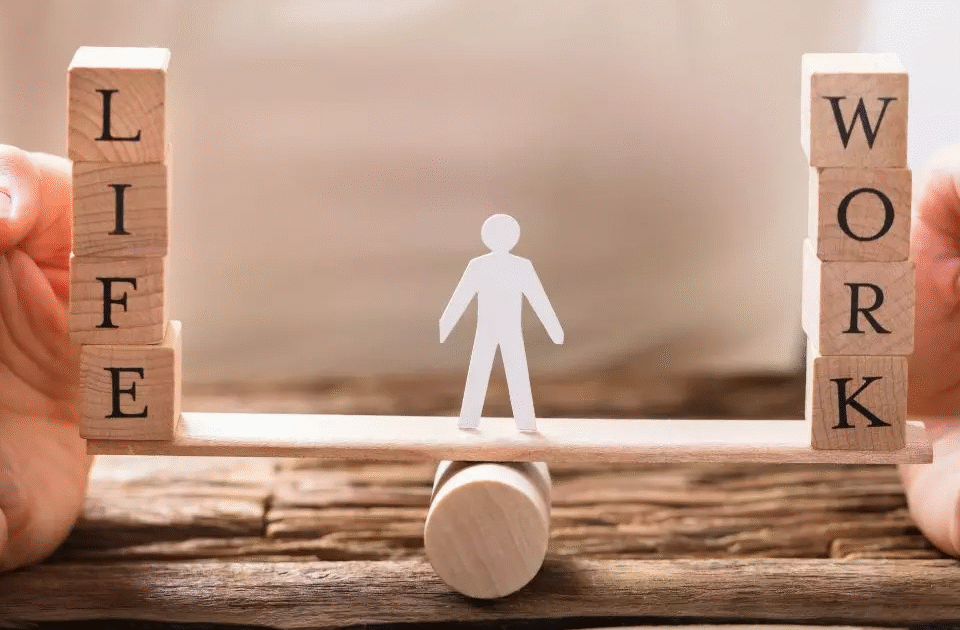
How to Create a Balanced Lifestyle with Work and Family
December 3, 2025
Introduction
In today’s fast-paced world, maintaining a healthy lifestyle often feels like a constant battle with strict diets, calorie counting, and food restrictions. Many people believe that the only way to stay fit or feel good is to follow rigid meal plans or avoid their favorite foods entirely.
But here’s the truth: you don’t need a strict diet to live healthily. A balanced lifestyle that focuses on mindful eating, regular movement, mental wellness, and good habits can help you feel your best — naturally and sustainably.
Let’s explore how you can enjoy life, eat freely, and still maintain a healthy body and mind.
1. Focus on Balance, Not Perfection
Healthy living is not about being perfect; it’s about making small, consistent choices that add up over time. Instead of cutting out entire food groups or labeling foods as “good” or “bad,” focus on balance.
- Enjoy fruits and vegetables daily, but don’t feel guilty if you have a slice of cake.
- Eat whole foods most of the time, but allow yourself to indulge occasionally.
- Drink plenty of water, but enjoy your coffee or tea, too.
The key is moderation. When you let go of guilt and all-or-nothing thinking, you’ll find it easier to make healthier choices naturally.
2. Practice Mindful Eating
Mindful eating is a powerful alternative to strict dieting. It means paying attention to your body’s hunger and fullness signals and enjoying food with awareness.
Here’s how you can practice it:
- Eat slowly: Chew your food well and savor each bite.
- Avoid distractions: Try not to eat while scrolling through your phone or watching TV.
- Listen to your body: Stop eating when you feel satisfied, not stuffed.
- Choose satisfaction: Pick foods that nourish your body and bring you joy.
When you eat mindfully, you begin to reconnect with your body’s natural rhythms, which helps prevent overeating and improves digestion.
3. Move Your Body Regularly (and Enjoy It)
Exercise shouldn’t feel like punishment. You don’t need to spend hours at the gym or run marathons to stay fit. Instead, find activities that you enjoy — the key is consistency.
Here are a few ideas:
- Go for daily walks or bike rides.
- Dance to your favorite songs.
- Practice yoga or stretching to reduce stress.
- Try swimming, hiking, or gardening.
The goal is to stay active and make movement a natural part of your day. Even 20–30 minutes of moderate activity can make a big difference in your energy levels and overall health.
4. Build Healthy Habits Gradually
One reason diets fail is that they demand sudden, extreme changes. A sustainable lifestyle is built on small, realistic habits that you can maintain long-term.
Start with simple changes like:
- Drinking an extra glass of water each day.
- Adding one vegetable to every meal.
- Taking short breaks to stretch during work.
- Going to bed 15 minutes earlier.
Over time, these small habits add up and create lasting change — no crash diets required.
5. Stay Hydrated and Limit Sugary Drinks
Water plays a huge role in your health. It supports digestion, improves skin, and boosts energy.
Try to drink at least 8 glasses of water a day, or more if you’re active or live in a hot climate.
You don’t have to quit all flavored drinks, but try to limit sugary sodas, energy drinks, and juices. Instead, infuse water with fruits like lemon, cucumber, or berries for a refreshing twist.
6. Prioritize Sleep and Stress Management
A healthy lifestyle isn’t just about food and exercise — your mind plays an equally important role.
Lack of sleep and chronic stress can cause hormonal imbalances, unhealthy cravings, and fatigue.
Here’s how to take care of your mental well-being:
- Aim for 7–9 hours of sleep each night.
- Create a relaxing bedtime routine.
- Practice deep breathing, meditation, or journaling.
- Spend time outdoors or connect with loved ones.
When your mind is calm and rested, you’ll find it easier to make healthier choices without feeling forced.
7. Cook More at Home
Eating out often can lead to consuming more calories, sugar, and processed ingredients. Cooking at home gives you full control over what goes into your meals — and it doesn’t have to be complicated.
Start with simple, wholesome recipes:
- Stir-fried vegetables with brown rice.
- Grilled chicken or tofu with quinoa and salad.
- Oatmeal topped with fruits and nuts.
Cooking at home also helps you save money and brings more awareness to what you eat. Plus, sharing homemade meals with family or friends adds joy and connection to the process.
8. Don’t Skip Meals — Fuel Your Body Properly
Skipping meals, especially breakfast, can slow down your metabolism and lead to overeating later in the day. Instead, focus on regular, balanced meals that keep your energy stable.
A good rule of thumb:
- Breakfast: Whole grains + protein + fruit (e.g., oatmeal with yogurt and berries)
- Lunch: Lean protein + vegetables + healthy fats (e.g., grilled chicken with avocado salad)
- Dinner: Light but satisfying (e.g., soup, fish, or vegetable stir-fry)
- Snacks: Nuts, seeds, or fruits when you’re hungry between meals.
Feeding your body consistently helps maintain stable energy levels, better focus, and overall well-being.
9. Avoid Food Guilt and Embrace Flexibility
One of the biggest benefits of living without strict diets is freedom — the freedom to enjoy food without guilt or shame.
If you have pizza one day or dessert after dinner, it’s okay! What matters is the overall pattern of your habits, not one single meal.
A healthy lifestyle should fit into your life, not control it. Allow yourself flexibility, celebrate progress, and remember that health is a journey, not a destination.
10. Surround Yourself with Positivity
Your environment plays a huge role in maintaining good habits. Surround yourself with people who support your goals and encourage healthy choices.
- Share meals with family.
- Exercise with friends.
- Follow social media accounts that promote balanced, realistic health content (not diet fads).
Positivity and support make it easier to stay motivated and consistent in your journey toward a healthy lifestyle.
Conclusion
Maintaining a healthy lifestyle doesn’t have to mean giving up your favorite foods or following strict rules. By focusing on balance, mindfulness, and small daily habits, you can enjoy a life that’s both healthy and fulfilling.
Eat with intention, move your body in ways that feel good, and prioritize sleep, hydration, and self-care. Remember — you’re not chasing perfection. You’re building a lifestyle that supports your happiness and long-term well-being.
Frequently Asked Questions (FAQs)
1. Can I eat junk food and still be healthy?
Yes, in moderation. The key is balance. If you mostly eat nutritious foods and occasionally enjoy treats, it won’t harm your health. The problem arises when processed foods become your main diet.
2. How can I stay healthy if I don’t like exercising?
You don’t have to do traditional workouts. Find activities you enjoy — dancing, walking, swimming, or gardening — and do them regularly. Movement is what matters most.
3. Is it necessary to count calories to maintain a healthy lifestyle?
No. Instead of counting calories, focus on eating nutrient-dense foods and paying attention to your hunger and fullness cues. This helps build a natural, sustainable rhythm.
4. What’s more important — diet or exercise?
Both matter, but balance is key. A healthy lifestyle includes nourishing food, regular movement, good sleep, and stress management. They all work together to keep you well.
5. How long does it take to see results from lifestyle changes?
It depends on your consistency. Most people start feeling better — more energetic and positive — within a few weeks. Physical changes may take longer, but they’re worth the wait.
✅ Final Thought:
A healthy lifestyle is not about restriction — it’s about freedom. When you care for your body with kindness, listen to its needs, and make small, intentional choices, you can live healthily without ever feeling deprived